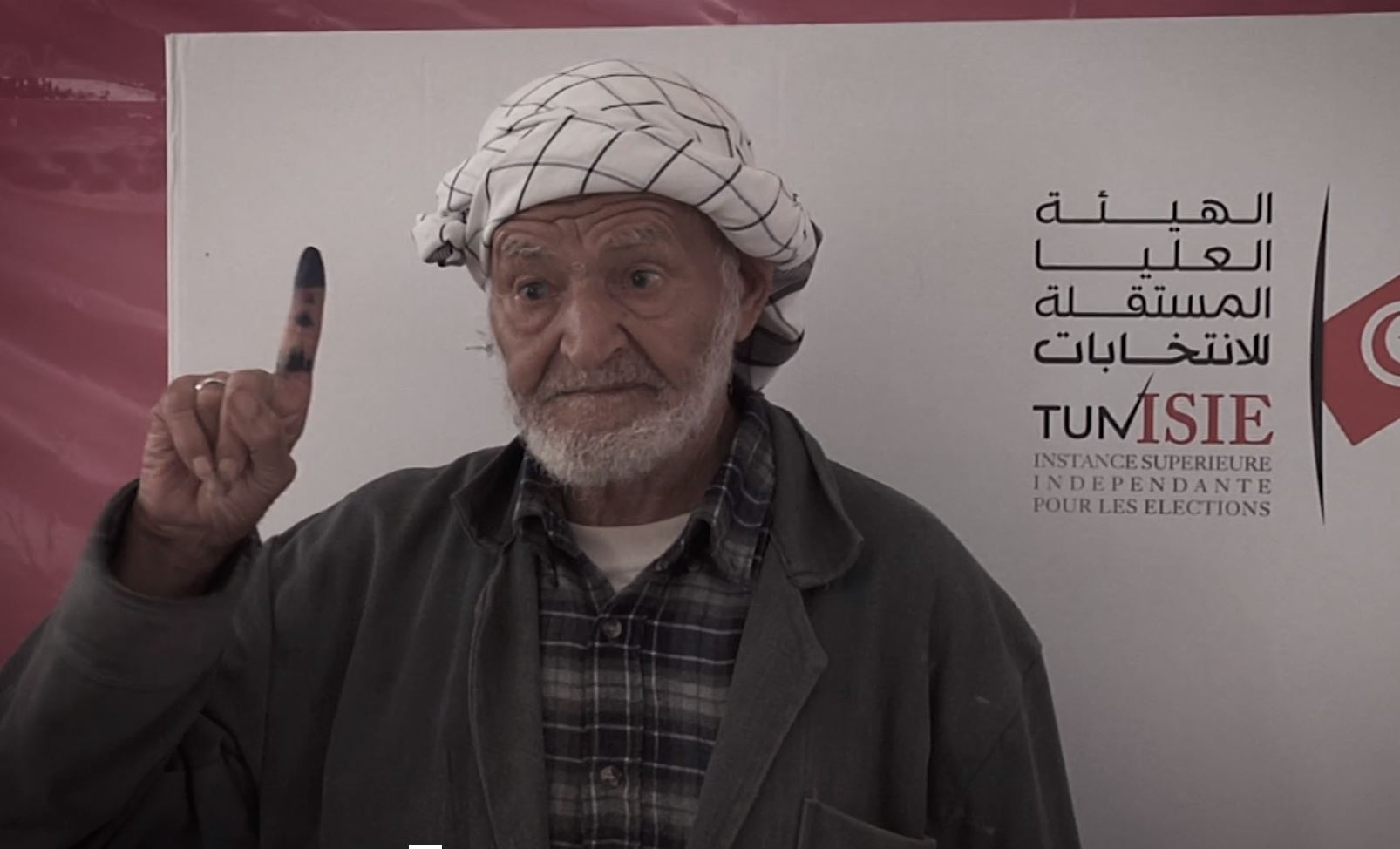
INS has unrivalled expertise in covering the EU’s numerous Election Observation Missions across the world – from their impact on national political dialogue to their respected status as a mark of democratic integrity. From 2011-19, we produced and directed video reports about countless EOMs “in the field”, travelling to Peru, Kenya, Pakistan, Bolivia, Niger, Burundi, Tunisia, Iraq, Sudan and beyond. These two references are from 2014 and 2018 respectively.
Archives: References
European Heritage Label
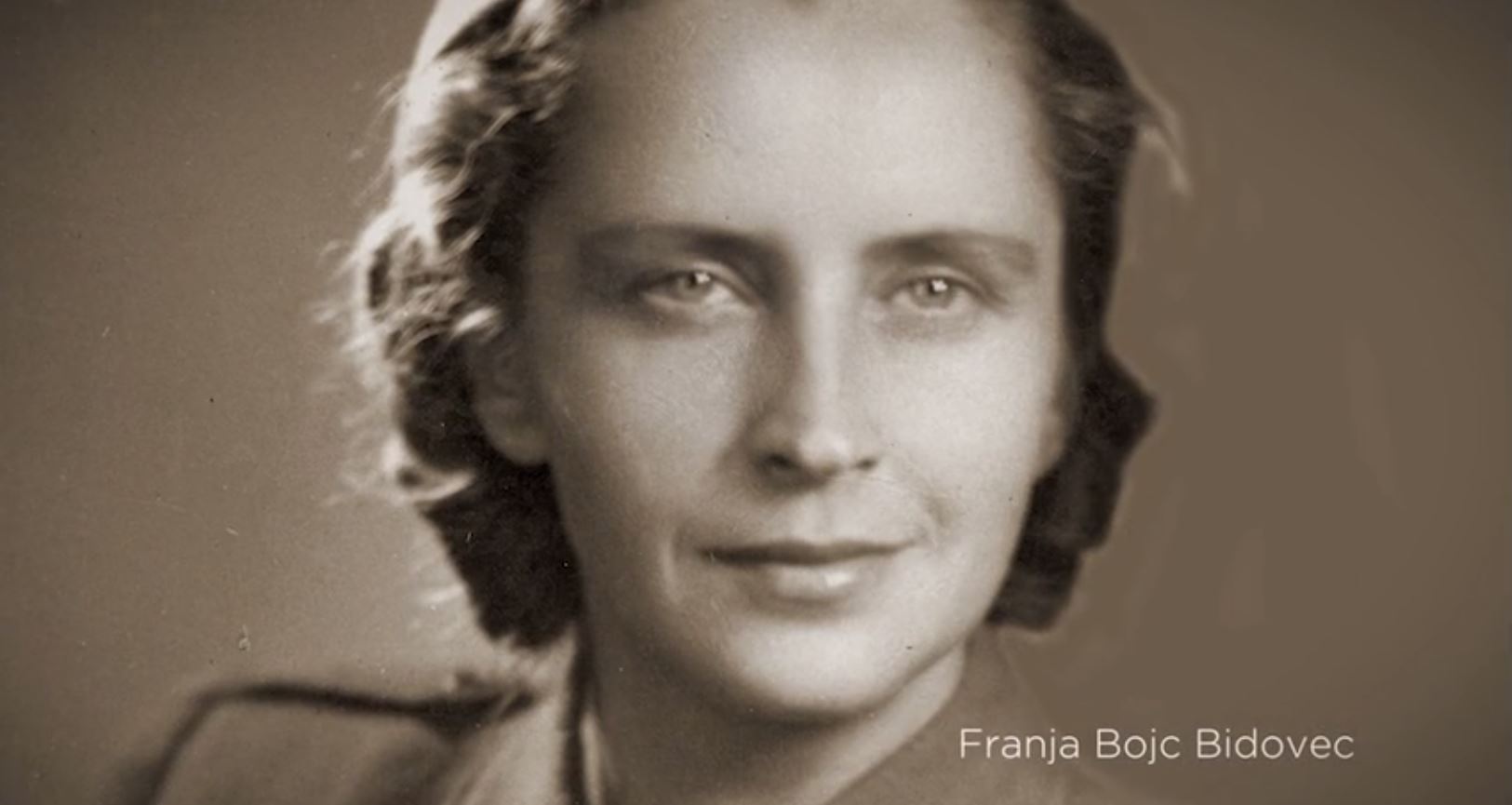
The European Heritage Label is awarded to sites across the EU which are recognised for their important historical role or cultural heritage.
Drawing on our extensive international network and our ability to capture the essence of spectacular locations, INS produced and directed short films about every site which received the Label – 38 in total, from all corners of Europe, between 2013-19.
Former Natzweiler concentration camp and its satellite camps, France – Germany
The former Natzweiler Nazi concentration camp and its c. 50 satellite work camps operated between 1941 and 1945 on both banks of the Rhine which then belonged to the Third Reich and now is part of present-day France and Germany. In the Natzweiler network of camps, prisoners from almost all European countries were subject to Nazi terror.
The Hague ( Peace Palace )
The Bois du Cazier coal mining site portrays the working classes and immigration to Wallonia (Belgium) in the 20th century. In 1956, the entirety of the site, from the pithead to the slag heaps, was the scene of a disaster in which 262 people of 12 different nationalities died. Whilst mining activity stopped in 1967, since 2002 the site has been transformed into a museum dedicated to the coal, iron and glass industry.
Built in the 1850s’, the Dohány Street Synagogue is the largest synagogue in Europe and the second largest one in the world. Its surroundings include a museum and archives, a memorial for 10,000 Jewish Hungarian soldiers who lost their lives in WWI, a garden used as a cemetery for the victims of the Holocaust as well as the Wallenberg Memorial Park. The Dohány Street Synagogue Complex is a symbol of integration, remembrance and openness to dialogue.
Fort Cadine, a representative fortification of the defensive system of about 80 such monuments built between 1860 and 1915 in the Trento region, is a reminder of historical divisions, military conflicts and changing borders, and provides the necessary context to better understand the value of open borders and free circulation.
Leipzig’s Musical Heritage Sites is a series of nine locations in Leipzig representing various episodes in its musical history including churches and educational institutions, ensembles and individual composers. They showcase the range of musical activities which have taken place in Leipzig since the thirteenth century.
The Sighet Memorial is housed in a former Stalinist prison in Sighet that was used to imprison schoolchildren, students and peasants from the resistance (1948-1950), political opponents, journalists and clergymen (1950-1955) and common criminals until the seventies. It is today a memorial to the victims of communist regimes and displays the development and effects of communist regimes in Romania and other countries of Eastern Europe. The Memorial provides insight on the repression by communist regimes in Europe throughout the 20th century, including the resultant death and suffering experienced inside and outside the prison walls.
Javorca Memorial Church is a unique piece of Art Nouveau built in the mountains by soldiers of the WWI Isonzo Front to remember fallen soldiers regardless of their origin and culture. Today the church and its cultural landscape continue to symbolise this call for reconciliation and the unifying power of collaborative artistic creation and construction.
The Case for an Agreement
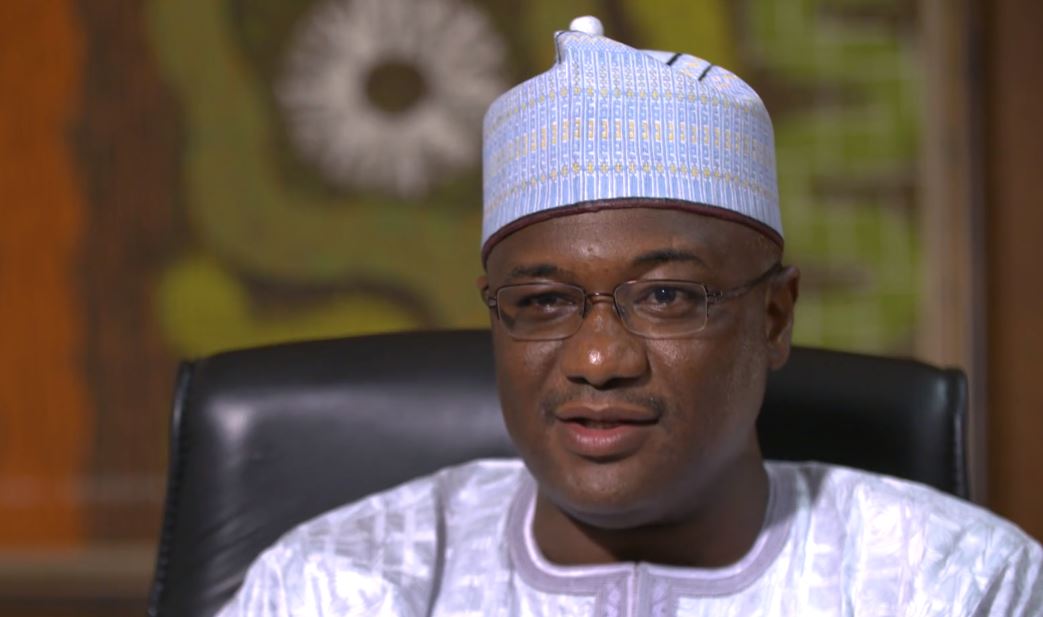
Private sector representatives from Nigeria and Côte d’Ivoire, as well as ECOWAS representatives, give their views on the Economic Partnership Agreement between West Africa and the European Union.
They explain why they believe that the agreement will support the development of their business, and deliver on diversification and industrialisation. They also emphasise the usefulness of the agreement for agricultural exports and for small-scale manufacturers.
EU4Youth
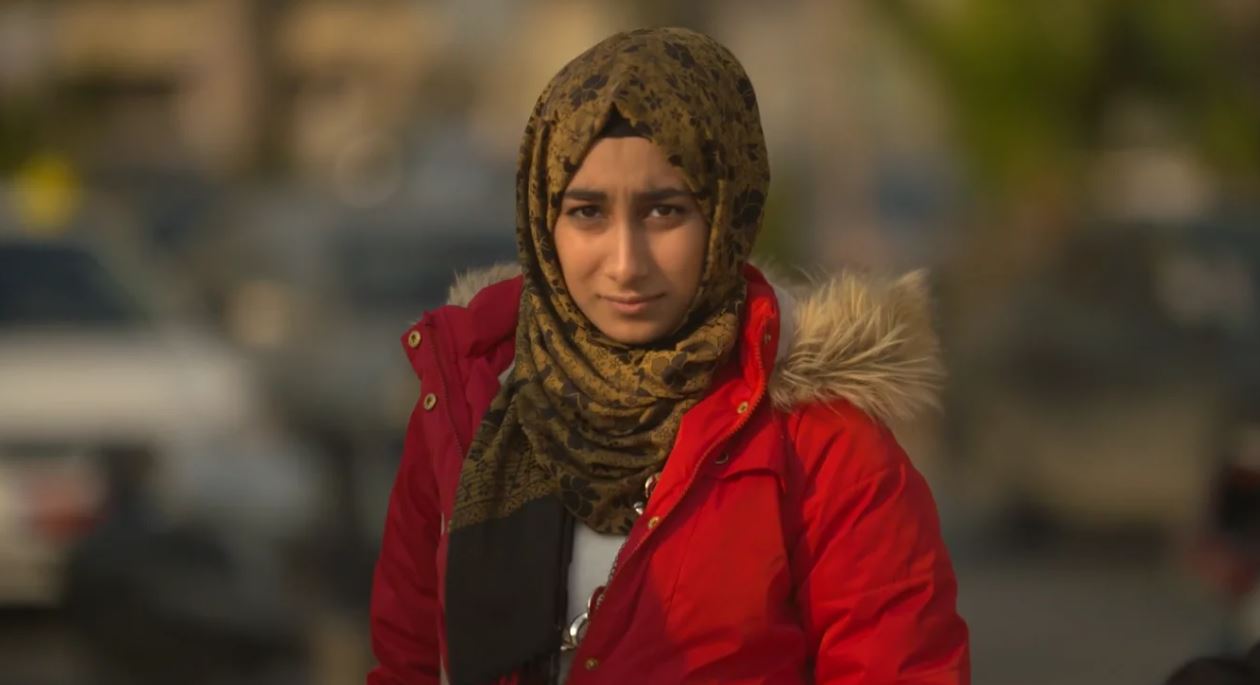
INS produced and directed a series of 12 videos, showcasing the stories of young people across the Mediterranean region benefitting from the EU4Youth initiative, which support entrepreneurship and job creation in the EU’s neighbourhood.
Filming across Tunisia, Jordan, Lebanon and beyond, we captured the spirit and ambition of the next generation through their own words and stories.
Dinah, fashion designer, launched “Jo! by Creative Jordan” with the support of “Creative Mediterranean”;
Sadah, trainee, works in a supermaked in Az-Zarqa after receiving a vocational training supported by “GEMM”;
Waleed, student, launches the first Youth Coordination Platform in Jordan with the support of “Net Med Youth” program;
Ibrahim, master in Business Consulting, created “Innovation Factory” in Mkales, Lebanon, thanks to “Med Generation” program;
AfriquEurope
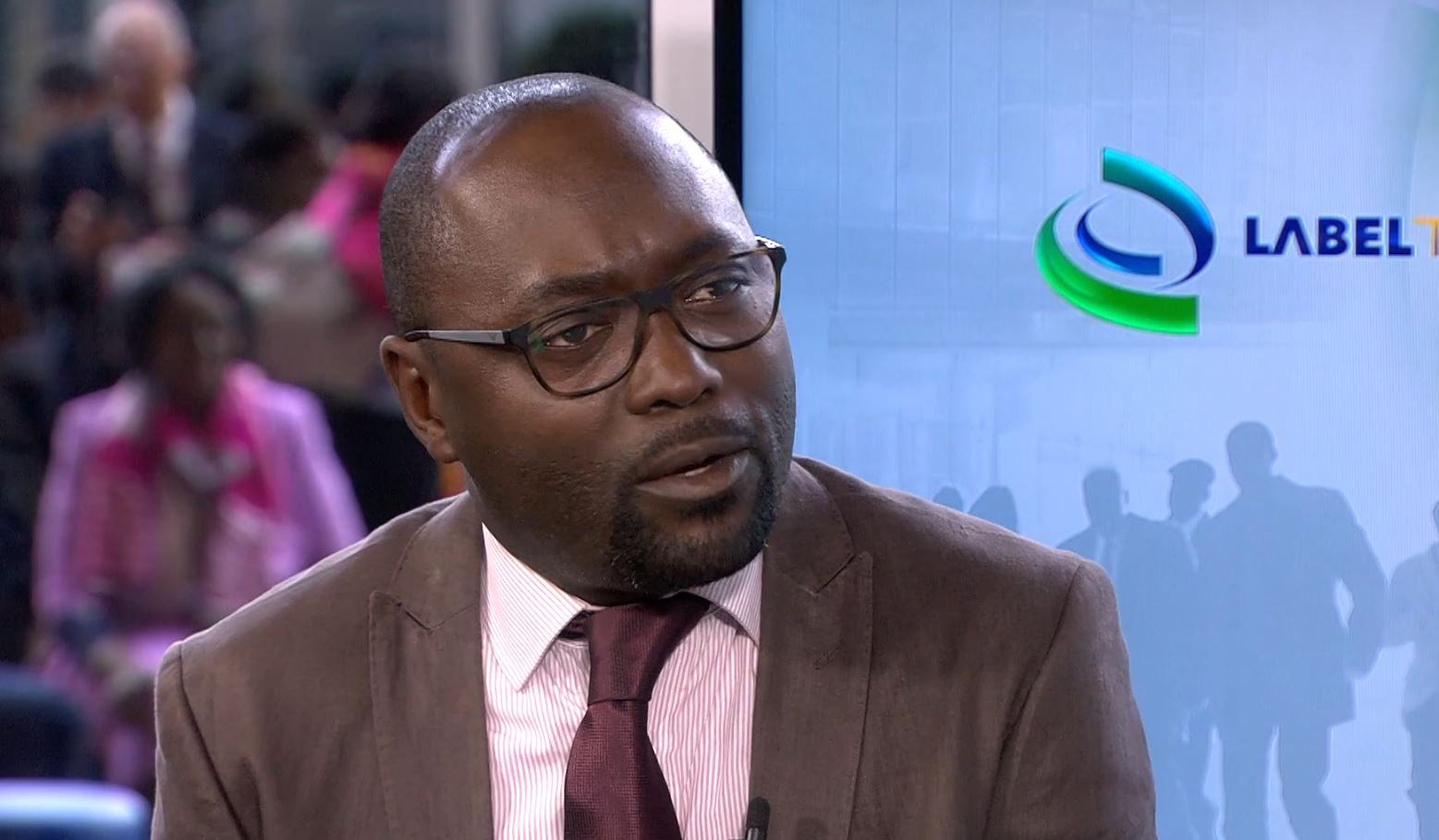
AfriquEurope is a weekly magazine show about links between the EU and Africa which is broadcast by the Africa Label group.
Working closely with our African partners, we supported three Label TV journalists visiting the EU’s DevDays 2017 conference as they produced reports for the show, deploying our network and technical expertise to secure high-level interviews, shoot the content, and run the production from start to finish.
Nuclear Safety Cooperation
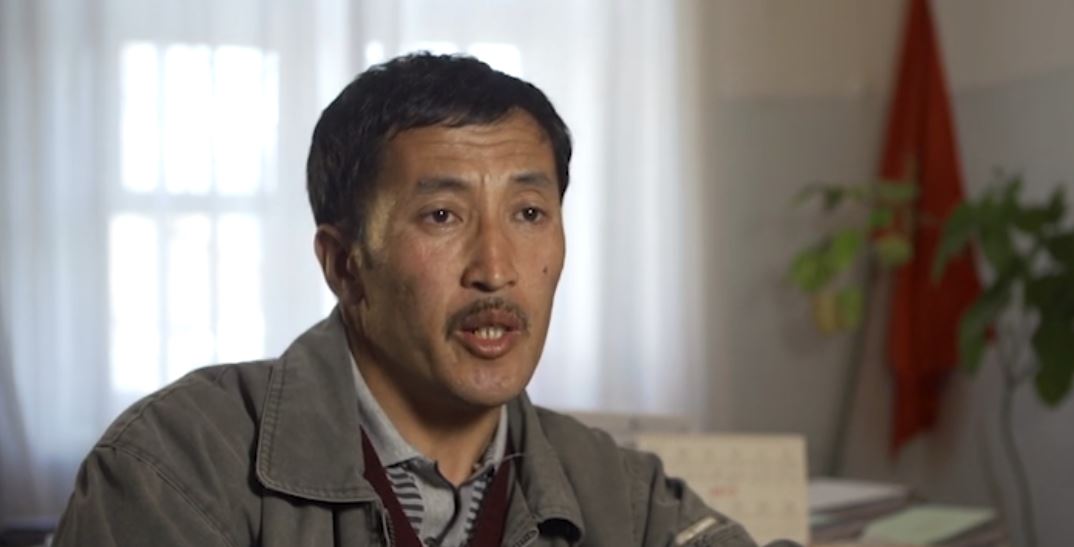
The European Instrument for Nuclear Safety Cooperation provides crucial funding for projects which work to decommission and decontaminate nuclear and chemical sites across the post-Soviet region.
INS travelled to Central Asia to produce a series of videos which would raise awareness of the Instrument at diplomatic meetings and donor conferences – helping to secure much-needed financial support for the complex and costly work. Produced in challenging terrain and often in hazardous environments, our compelling reports pull back the curtain on an element of EU foreign policy which is little-known but plays a vital role in improving human health and environmental integrity.
30 years, 50 European Capitals of Culture
The European Capital of Culture programme has rejuvenated cities across the EU with cultural activities since 1985. To mark 30 years of the programme, INS was asked to produce a video campaign which was subsequently shown in cinemas across Europe.
Our “journey” through the history of the programme combined on-location shooting with archival footage – a particular challenge given the limited available material, but one which we overcame to present Europe’s Capitals of Culture in the best possible light.
Dance 4 Peace
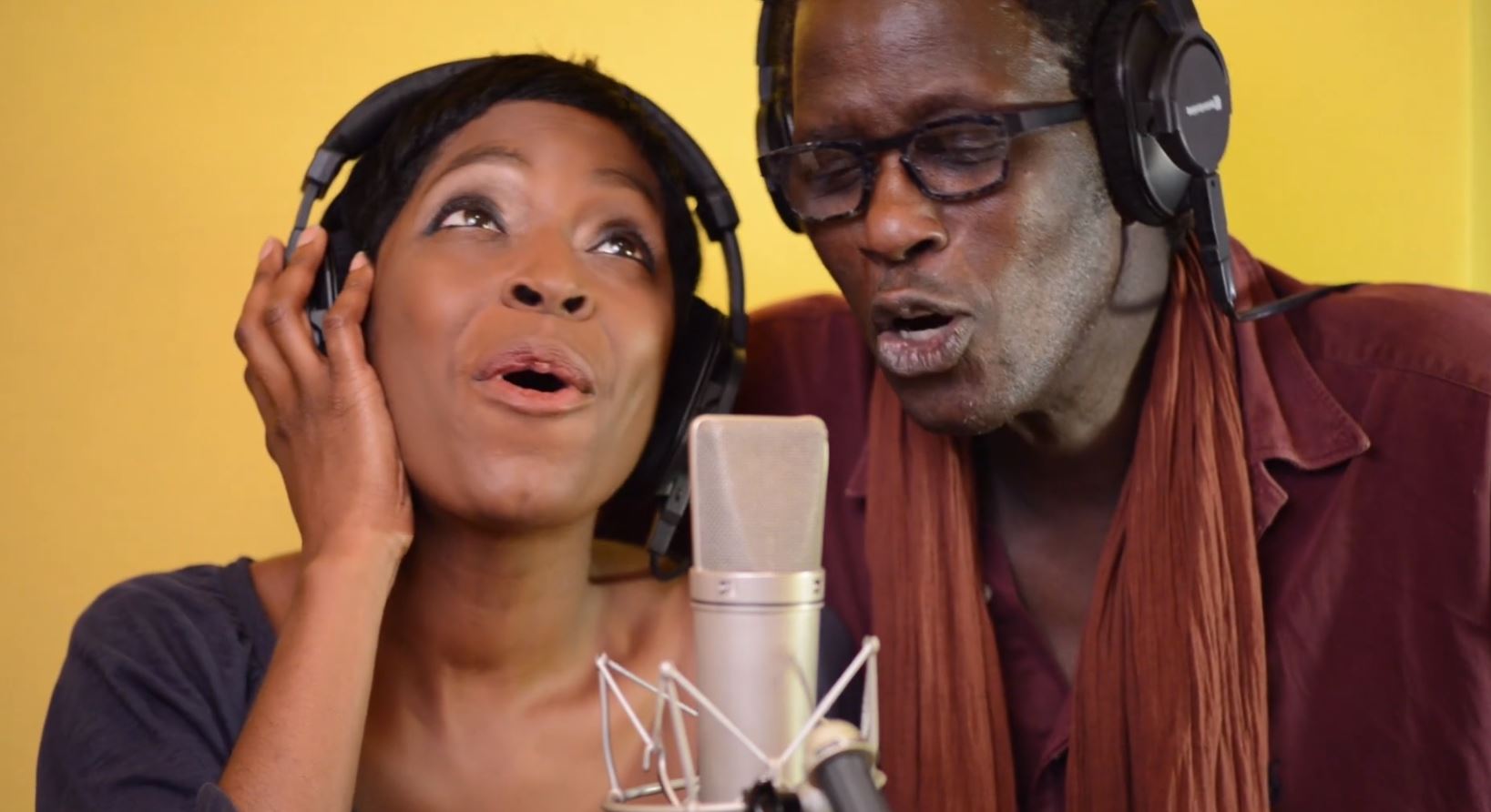
Music and dance has the power to unite people from across the world. For the “Dance 4 Peace” campaign, we brought together respected musicians with children in Colombia, DRC, Iraq, Ethiopia and Pakistan, to bring this powerful message of hope to the screen.
INS produced and directed the main video in addition to two shorter films, crossing the globe in a complex production which involved shooting the artists in Paris as well as groups of enthusiastic young dancers in their home countries.
EIDHR @ FIFA World Cup (Brazil)
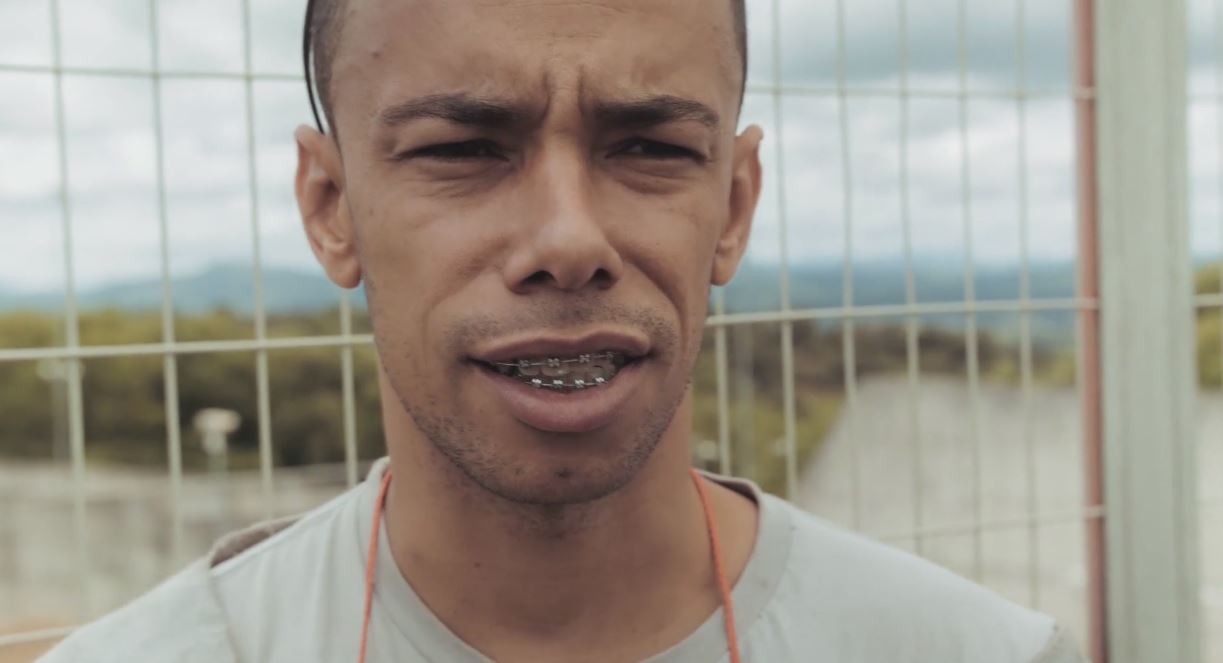
On the occasion of the 2014 football World Cup, INS travelled to Brazil on behalf of DG ECHO to produce a series of five films exploring the political and social challenges taking place beyond the stadium walls.
As the tournament drew massive media interest, this was the ideal moment to showcase EuropeAid’s work in the host country: our films were distributed to all broadcasters covering the World Cup, guaranteeing a wide audience.
EU Children of peace
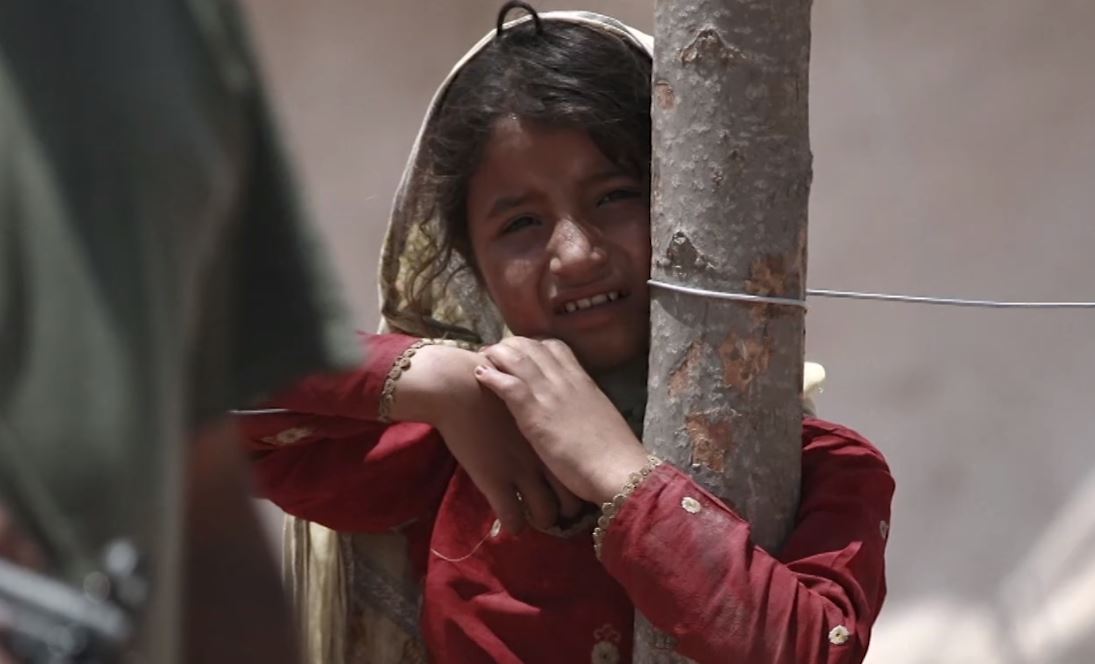
Too many children are affected by conflict, and too few ever have the opportunity to share their own perspectives. For DG ECHO’s “Children of Peace” campaign, we sought to change that.
INS sent disposible cameras to refugee and IDP camps across the globe, asking the children who live there to show us their lives through their own eyes.
The result is a striking and moving photo dossier – a testament to the endurance of childhood in the most challenging of contexts.